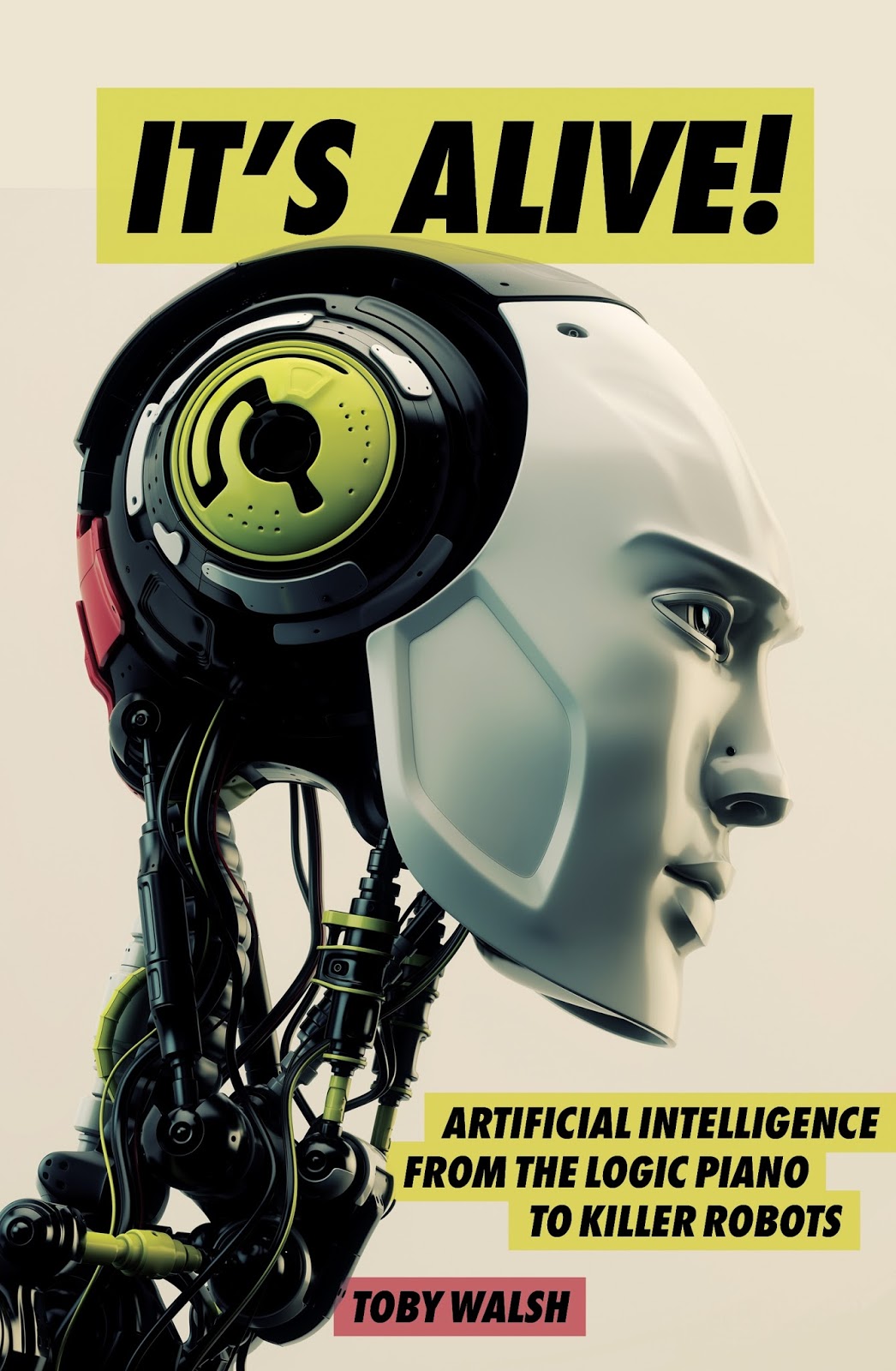
The book looks at the history of AI and what its possible future might be, while also discussing the many disruptions and ethical questions that automation will bring to society.
Brilliantly researched and timely, It's Alive! is essential reading for anyone who wants to get up to speed on this subject.
To view the latest edition of the North Melbourne Books newsletter, click here. To sign up for our monthly newsletter, click here.
North Melbourne Books talks to Toby Walsh
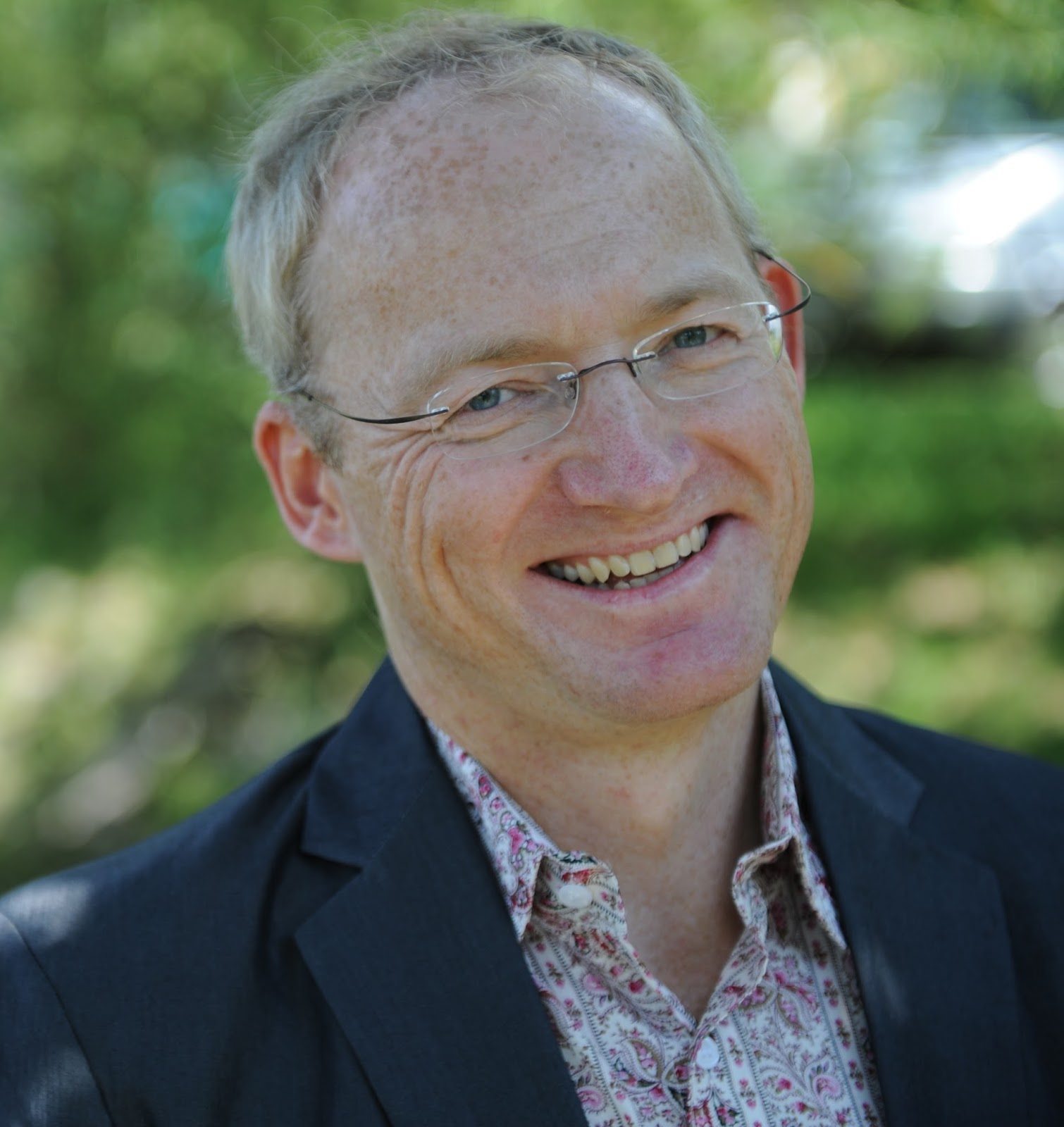
NMB: Your book looks at the past, present and future of artificial intelligence. It describes how we got here, how AI (often unconsciously) affects our lives today and what a future dominated by AI might look like. Why did you want to write this book?
Toby Walsh: There's a real appetite to understand Artificial Intelligence (AI) and where it is taking us. We're making remarkable progress. I get calls from journalists almost every day. And as a scientist, funded by public money, I feel a real responsibility to help inform this debate. Especially so, when many people me included expect society to be in for a period of very rapid and dramatic change. However, talking to journalists is never entirely satisfactory. So I wanted to have a longer conversation, where I could go into more depth and explain the different sides to the issues. And in writing the book, I came to understand even more how critical it is that we have this debate now.
NMB: There are a lot of ethical questions that It's Alive! addresses. For example, how will driverless cars make life-and-death decisions and the dangers posed by the automation of war. Have you long had an interest in the ethics of AI?
TW: I've always been interested in big questions. This is what got me into AI in the first place.
There are a number of deep, fundamental questions that science asks. How did the universe
come into existence? Can we unify the laws that govern the very small like quantum mechanics
and those that govern the very large like gravitation? Are we alone in this universe? What is
the nature of intelligence? Is it something we can simply create in silicon?
I expect in time we will build machines that are more intelligent than us. You'll have to read the
book to see how long this might take. This will hopefully be a humbling and important moment for the human race. But we can already see that it will have immense impacts on many aspects of our lives: where we get our news, who we elect, how we educate our young, and how we look after our elderly.
The invention of machines that are more intelligent than humans will be one of the most far reaching inventions we ever make. Indeed, it could even be the last one that we make.
NMB: While your book concentrates a lot on the advances that AI has made and how it has improved our lives, you devote a bit of time to discussing the negative aspects of new technologies. As technology transforms society there will be winners and losers, a further concentration of wealth, unemployment and general disruption. Are you optimistic about the future?
TW: I am mostly optimistic. As with any technology, there will be winners and losers so we need to make sure that we look after the losers. We will need to worry about issues like increasing inequality, technological unemployment, and the impact of autonomous weapons on warfare. Equally, technology is likely a big part of a successful future. The world faces some unprecedented challenges, in areas like climate change, and the ongoing and likely never-ending global financial crisis. Our only hope to defeat these problems is to embrace technology, especially technologies like Artificial Intelligence. We live better lives than our grandparents in large part due to the benefits of computing. If our grandchildren are going to live as good if not better lives than us, we need to take advantage AI whilst avoiding the pitfalls. The ultimate message of my book is that Artificial Intelligence can lead us down many different paths, some good and some bad, but society must choose which path to take, and act on that choice. There are many decisions we can hand over to the machines. But I argue that only some decisions should be – even when the machines can make them better than we can. As a society, we need to start making some choices now as to what we entrust to the machines.
NMB: Do you think politicians are up to speed about how AI will truly transform society and are you confident they will be able to develop the right policy responses?
TW: No. Our politicians are neither up to speed, nor is our political system well suited to deal with such large scale disruption. There is one obvious precedent here, the industrial revolution. We made some major changes to the way that we ran society to deal with the changes brought about by the industrial revolution, as jobs on the farm were destroyed and new jobs created in factories and offices. We introduced universal education so the population had the skills necessary for these new jobs, the welfare state so those made unemployed didn't end up in the workhouse, unions to protect workers rights and help them share the benefits of industrialization, even bank holidays are on of the beneficial changes that came out of the industrial revolution. All of these changes made sure that Karl Marx's predictions were wrong and most of us shared the increasing prosperity that the machines brought. Society may need to go through equally profound changes this time. There is, however, one important and worrying difference. Last time, we still had a big edge over the machines. They replaced much of our manual labour. But we still had an edge in cognitive tasks. It is less clear that we'll have any such edge after the AI revolution. My book spends a lot of time considering what other edges we might have over the machines. and how we might deal with these changes so that the machines can take the sweat, both physical and intellectual, and all of us can enjoy the benefits.
NMB: What books are you enjoying reading at the moment?
TW: I'm enjoying Homo Deus by Yuval Noah Harari, even if I didn't 100% agree with some of his ideas. In my view, he over-estimates the increasing importance we will all place on social contact, and how our markets will adjust to appreciate more the products of the human hand. What machines make will simply be valued less than what we make. We will appreciate everything more that speaks to the human condition.
It's Alive!: Artificial Intelligence from the Logic Piano to Killer Robots, by Toby Walsh. Published by La Trobe University Press. ISBN: 9781863959438 RRP: $34.99